Emocracy: Psychology’s Curse

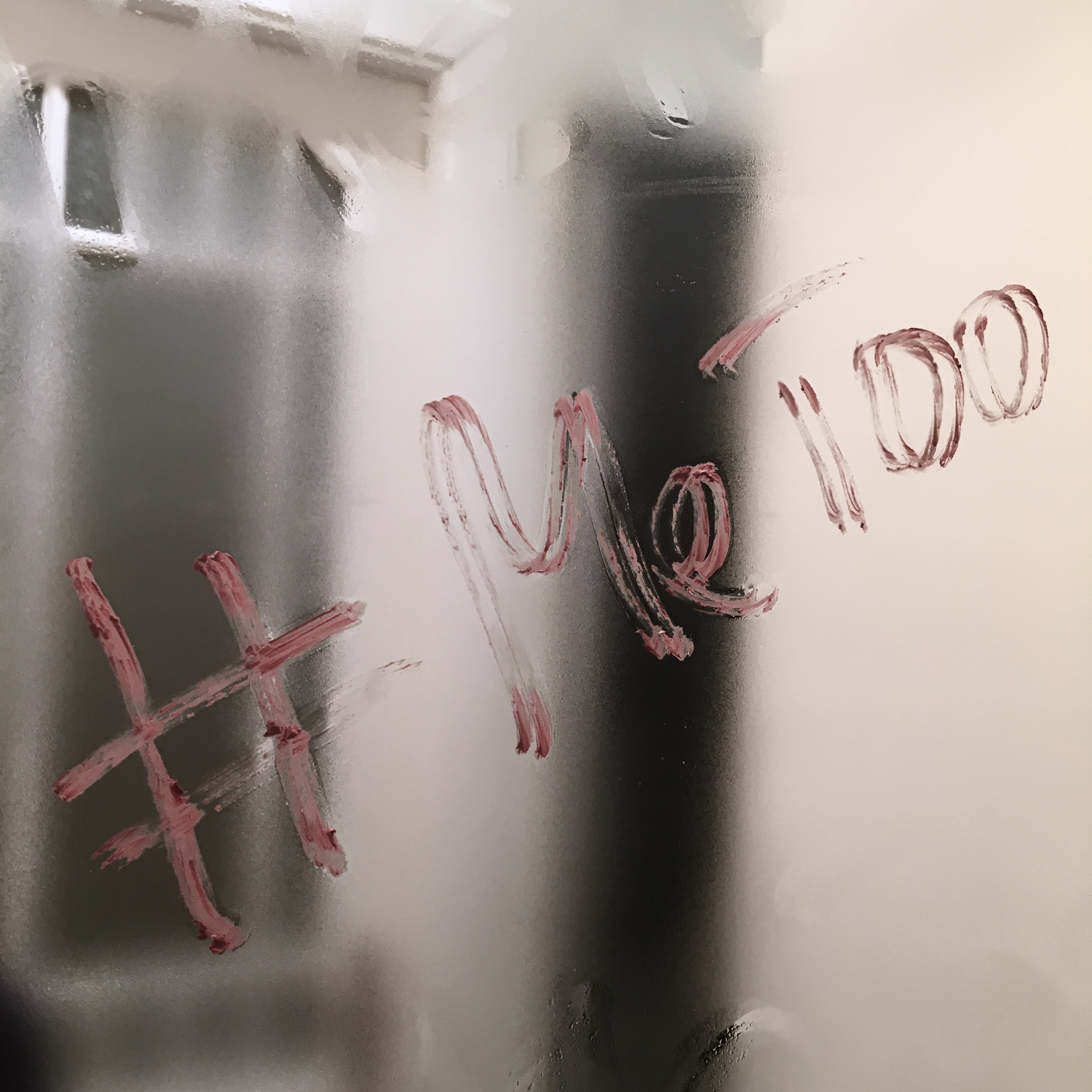
We live in an age of emocracy. In stark difference to most of humanity’s history, emotions overtly govern our private, professional, and public lives[1]. In this and a few subsequent posts, I will explore the question of how, when, and why the shift from keeping emotions “under cover” towards today’s unembarrassed emocracy happened[2]. My first hypothesis is: The rise of emocracy was strongly favored by the invention and (later) popularization of psychology.

Continue Reading

Emocracy: An Exposition

Emotions rule our world. This in itself is not news. Ever since Cain slayed Abel, and ever since Zeus fell in love with Europe, human behaviors have been driven by aggression, passion, and all their cousins. But in the last years, something has shifted: In the past, quite regardless of culture and environment, human beings mostly saw emotions as  something unruly that had to be contained. In the very recent present, however, emotions have taken center stage in our personal, professional, and public lives. We live in an age of emocracy – but without ever having explicitly agreed on its constitution, principles, laws, and practices. This is a problem[1].

Continue Reading

https://upload.wikimedia.org/wikipedia/commons/9/97/Salome_with_the_Head_of_Saint_John_the_Baptist_by_Artemisia_Gentileschi_ca._1610-1615.jpg

niemand ist das problem

Egal, was passiert: Die Schuld bekommen dieser Tage immer einzelne Menschen. Der Fußballbundestrainer soll zurücktreten, weil die deutsche Fußballnationalmannschaft (inklusive Tross) in den Vorrundenspielen mies gespielt hat. “Das Drama der Angela Merkel” titelt selbst die meist abgewogene Zeitung DIE ZEIT in dieser Woche – und reduziert die komplexe Frage der zukünftigen Regelung von Zuwanderung nach Europa auf eine persönliche Machtkrise der Kanzlerin.

Continue Reading

am beckenrand

In diesem Jahr war ich zum zweiten Mal in meinem Leben auf der re:publica. Im letzten Jahr war ich zum ersten Mal dort, und im Jahr davor habe ich einige Vorträge über den Livestream verfolgt. Einerseits ist diese späte Bekanntschaft nicht überraschend: Ich mache nichts “mit Medien”[1], und ich habe erst seit Mai 2013 einen aktiven Twitteraccount[2]. Andererseits wundert es mich oft, wie spät ich die re:publica und ihre Netzgemeinde auf Twitter entdeckt habe.

Continue Reading

you can go now

So, you’re saying you want to go? I hear you – but wait. If you were a person, I’d write you a letter with a real pen, in real ink and on a real piece of paper. And I’d ask you to at least read it through to the end and listen to what I have to say before you go. However, I suspect that you’re not a person,

Continue Reading

Pittsburgh vs. Paris. A Trial.

The Persons of the Play*

JUSTICE
Mr. PITTSBURGH, a businessman
Mrs. PITTSBURGH, née PARIS, his wife [not present]

Act I Scene 1

JUSTICE: Mr. Pittsburgh… [shuffling papers]. You want to get a divorce from your wife, Mrs. Pittsburgh, née Paris. Is that correct?

Continue Reading

Staying Sane In The Age of Algorithm

We live the age of algorithm. They’re the magic sauce which keeps our machines running. Their omnipotence has grown to a point where some see our bodies’ and minds’ inner workings as algorithms[1] – just like former epochs saw the universe or a mechanical turk in every human being. And – like all men-made gods – algorithms, too, are demonized,

Continue Reading

The Awkwardness Of Being Liked

I feel awkward about being liked[1]. On the surface, of course, just like all of us, I like to be liked[2]: I smile when someone gives me flowers or offers me a glass of wine; I feel uplifted when my words and actions – or even trivial things like pieces of clothing I’m wearing – receive a compliment; I nod in friendly appreciation when my posts of home-made bread, rainbow bodied avatars, or witty bits of wisdom uttered by my son attract responses in my social media feeds.

Continue Reading

No more posts.